
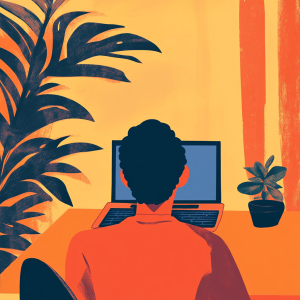
As more people seek mental health support in a digital age, online therapy has grown in popularity. Still, many people wonder whether virtual counselling can be as effective as traditional, in-person sessions. If you’ve heard doubts about online therapy’s value, you’re not alone. However, having worked extensively with clients online, I can confidently say that online therapy can offer unique advantages that make it an excellent option for many people.
Here’s a look at the key benefits of online counselling, along with a few things to consider as you decide if it’s right for you.
Key Benefits of Online Therapy
1. Accessibility and Convenience
One of the most significant advantages of online therapy is that it removes geographic boundaries, allowing you to connect with a therapist from anywhere with an internet connection. This accessibility is invaluable for those who travel frequently, have work commitments, or live in areas with limited access to mental health services. With online therapy, physical distance is no longer a barrier to receiving care.
2. Flexible Scheduling to Suit Your Lifestyle
Online therapy offers scheduling flexibility that’s hard to match. Because there’s no need to travel, it’s easier to fit sessions into your day, even if you have a packed schedule. This flexibility makes it easier to stay consistent with therapy, which is essential for long-term growth and progress.
3. Comfort of a Familiar Environment
Being in a familiar space—like your home—during a therapy session can make it easier to open up. When you’re comfortable and at ease in your surroundings, you may feel more able to discuss challenging topics. The option to connect from a place that feels safe can reduce some of the initial anxieties associated with starting therapy, especially if an office setting feels intimidating.
4. Enhanced Privacy and Reduced Stigma
For many people, therapy still carries a sense of stigma, and the idea of visiting a clinic may feel uncomfortable. Online therapy offers a level of anonymity, allowing you to attend sessions discreetly from home. With virtual counseling, you avoid waiting rooms and any potential worries about running into someone you know. This increased privacy can make it easier for individuals to reach out and get the support they need.
5. Broader Selection of Therapists
One of the great things about online therapy is that you’re not limited to local options. You can choose a therapist with a specific specialty, cultural background, or language fluency to meet your unique needs. This wider range of choices increases the chances of finding someone you truly connect with, which is crucial for a positive therapeutic experience.
6. Accessibility for People with Physical Limitations
Online therapy removes the physical barriers associated with in-office visits, making mental health care more accessible for people with disabilities or mobility challenges. For individuals who may find it difficult to leave home, virtual sessions provide an option to receive support without logistical concerns.
Things to Keep in Mind About Online Therapy
While online therapy offers many advantages, it’s also important to consider a few potential limitations:
- Non-Verbal Cues May Be Limited: Therapists often rely on non-verbal cues like body language and eye contact to fully understand a client’s emotional state. Although video calls offer some of this interaction, it can be harder to interpret subtle cues online.
- Technical and Privacy Requirements: Online therapy requires a stable internet connection and a private, quiet space to ensure effective communication. If finding a reliable setup is difficult, in-person sessions may be a better fit.
- Preference for Face-to-Face Connection: Some clients feel more supported with a therapist physically present. The in-person experience can foster a stronger sense of connection for some people. That said, many clients find the “screen” can actually add a sense of emotional safety, making it easier to express themselves.
Is Online Therapy Right for You?
Online therapy has expanded mental health support to more people than ever before, offering flexibility, privacy, and accessibility. It’s particularly beneficial for those with busy schedules, people living in remote areas, or those who feel most comfortable in their own space. However, if you feel a stronger connection in person, have difficulty securing a private space, or lack a stable internet connection, in-person therapy may be more effective.
Ultimately, the best therapy experience comes from choosing a format that meets your individual needs. If online therapy sounds appealing, it could be a valuable resource for personal growth and emotional well-being in today’s connected world.